An Israel visit — its strategic, economic, regional impact
Why in the News?
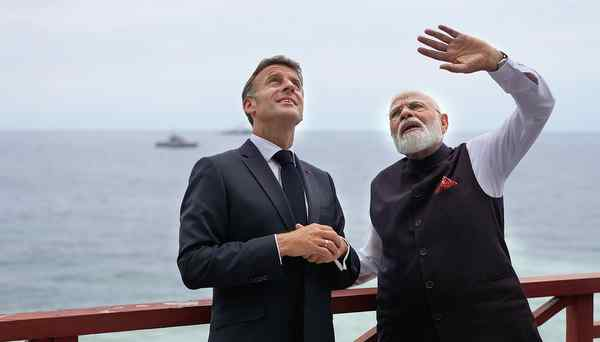
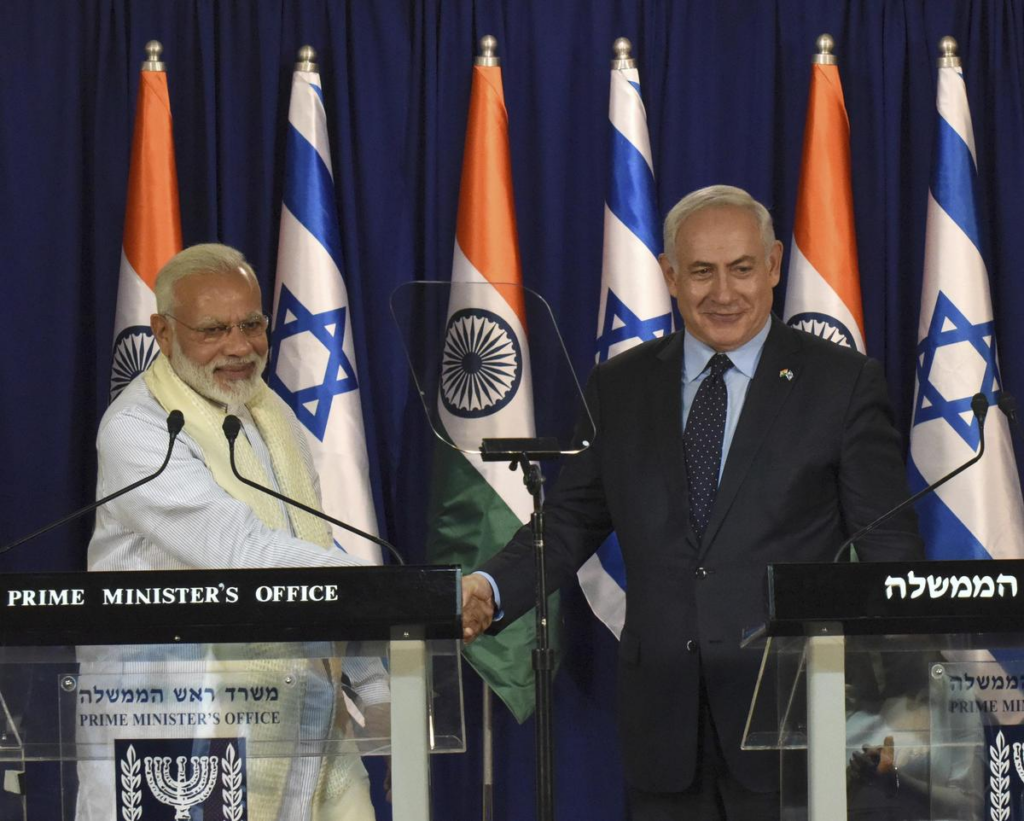
Prime Minister Narendra Modi is scheduled to undertake a two-day standalone visit to Israel (February 25–26, 2026). The visit comes amid heightened tensions in West Asia, uncertainty over the Gaza peace process, and evolving regional alignments.
The development gains significance as it:
- Marks Mr. Modi’s second visit to Israel after his historic 2017 visit.
- Comes at a time of potential large-scale conflict involving Iran.
- Reflects India’s “de-hyphenation” policy — engaging Israel independent of Palestine.
- Occurs amid renewed discussions on the India-Middle East-Europe Economic Corridor (IMEC).
Background
- Large American military buildup in the Persian Gulf.
- Iran’s defiance of U.S. demands.
- Fragile ceasefire in Gaza (since October 2025).
- Emerging fault lines among Gulf states.
Evolution of India–Israel Relations
- 1992: Full diplomatic relations established.
- 2017: First-ever visit by an Indian PM to Israel.
- Defence partnership deepened significantly post-2014.
- Cooperation expanded to agriculture, water, innovation and trade.
India has successfully balanced ties with Israel and Arab states – demonstrated by:
- 2nd India-Arab Foreign Ministers’ Meeting (January 2026).
- PM’s visits to Jordan and Oman (December 2025).
- UAE President’s visit to India (January 2026).
Features of the Visit
- Strategic and Defence Convergence
- India has been Israel’s largest defence customer (about 34% of Israel’s arms exports, 2020–2024)
Key defence pillars:
- Barak-8 missile system (jointly developed).
- Possible focus on procurement and co-production of the Iron Beam laser system.
- Strengthening of anti-drone and missile shield under Mission “Sudarshan Chakra”.
- Agreement (Nov 2025) to deepen cooperation in the defence industry and technology.
This gains importance after India’s lessons from Operation Sindoor (May 2025)
Science, Technology and Innovation
- 35+ Centres of Excellence in India in agriculture.
- Israeli expertise in drip irrigation and water management.
- MASHAV agreements with Haryana (2022) and Rajasthan (2024)
- Emerging focus: Artificial Intelligence, electronics, and high-tech.
Economic and Trade Engagement
- Bilateral trade: $3.75 billion (FY 2024–25)
- Dominated by diamonds, petroleum, and chemicals.
- Expanding to electronics, medical equipment and communications.
- Bilateral Investment Agreement (September 2025).
- Terms of Reference for FTA signed (November 2025).
- FTA momentum could accelerate during this visit.
IMEC and Connectivity
- The IMEC project, announced at G-20 (2023), aims to create an alternative trade corridor linking India to Europe via West Asia.
Significance:
- Reduces dependence on the Suez Canal.
- Strategic alternative amid regional instability.
- Enhances India’s role in global supply chains.
Gaza Peace Process & Regional Dynamics
- U.S.-led peace initiative (Feb 19, 2026 Summit).
- 50+ countries pledged funding and troop commitments
India attended as observer; role not yet defined.
Potential discussion areas:
- India’s reconstruction role in Gaza.
- Balancing ties with Israel and the Arab nations.
- Energy security concerns amid Iran tensions.
Challenges
Regional Instability
- Iran–U.S. tensions.
- Fragile Gaza ceasefire.
- Polarisation among Gulf states.
Balancing Act
- Israel PM Benjamin Netanyahu proposed a “hexagon of alliances”
- India may not align with bloc politics due to:
- Strong ties with the UAE, Saudi Arabia, and Oman.
- Energy security dependence.
- Strategic autonomy doctrine.
IMEC Vulnerabilities
- Security risks.
- Political instability.
- Need for lasting Gaza peace.
Domestic and Diplomatic Sensitivities
- India’s traditional support forthe Palestinian cause.
- Need to maintain credibility in the Global South.
Way Forward
Deepen Strategic Autonomy
- Engage Israel strongly without entering exclusive blocs.
- Maintain balanced diplomacy.
Expand Defence Co-Production
- Move from buyer-seller to joint R&D.
- Promote Make in India in defence manufacturing.
Accelerate FTA Negotiations
- Expand high-tech trade.
- Facilitate mobility of skilled professionals.
Operationalise IMEC
- Institutionalise corridor governance.
- Secure maritime and land transit routes.
Constructive Role in Gaza
- Offer humanitarian and reconstruction assistance.
- Avoid military entanglement.
- Promote diplomatic mediation.
Broader Strategic Significance
This visit reflects:
- Consolidation of India–Israel strategic partnership.
- India’s rising profile in West Asia.
- Shift from ideology-driven to interest-driven foreign policy.
- Expansion from defence-centric to multi-dimensional partnership.
Conclusion
Prime Minister Modi’s visit to Israel comes at a pivotal moment for West Asia. While defence cooperation remains the backbone, the partnership now spans technology, trade, connectivity and innovation.
India’s challenge lies in leveraging strategic convergence with Israel without compromising its balanced regional diplomacy. If managed prudently, this visit could:
- Strengthen India’s defence modernisation,
- Boost trade and connectivity through IMEC,
- Reinforce India’s credibility as a stabilising power in West Asia.