India ‘stands firmly’ with Israel, Modi says in address to Knesset
Why in the news?
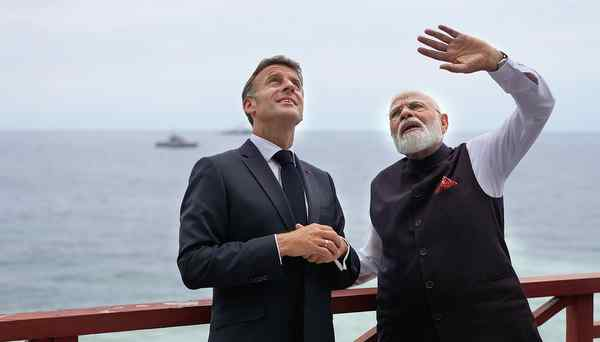
Prime Minister Narendra Modi addressed the Israeli Parliament, the Knesset, during his official visit to Israel, expressing that India “stands firmly” with Israel following the October 7, 2023, Hamas attacks. He condemned the attack as a “barbaric terrorist attack,” reiterated India’s policy of zero tolerance towards terrorism, and supported the Gaza Peace Initiative endorsed by the UN Security Council, while also emphasising a just and durable peace, including the resolution of the Palestine issue. The visit comes amid continuing conflict in Gaza and evolving geopolitics in West Asia, making India’s diplomatic positioning significant.

Background
India–Israel Relations: A Strategic Evolution
- India recognised Israel in 1950 but established full diplomatic relations only in 1992.
- Relations have expanded significantly in defence, agriculture, water technology, cyber security, and innovation.
- In 2017, PM Modi became the first Indian Prime Minister to visit Israel.
- Defence cooperation is a key pillar, with Israel among India’s top defence suppliers.
Growing cooperation in:
- Water management (drip irrigation)
- Agriculture technology
- Digital Public Infrastructure
- Innovation and start-ups
- Proposed Free Trade Agreement (FTA)
The October 7, 2023, Attack
- The conflict escalated after the Hamas attack on Israel on October 7, 2023, leading to large-scale casualties and military retaliation in Gaza.
- India immediately condemned the terrorist attack while also calling for restraint and protection of civilians.
Gaza Peace Initiative
The Prime Minister referred to the Gaza Peace Initiative, endorsed by the UN Security Council, aimed at:
- Ceasefire
- Humanitarian access
- Release of hostages
- Renewed diplomatic engagement
India reiterated support for a two-state solution and peaceful resolution of the Palestine question.
Abraham Accords and Regional Realignment
The Abraham Accords normalised relations between Israel and several Arab nations.
India welcomed these agreements as they:
- Reduce the regional isolation of Israel
- Create new economic corridors
- Enhance regional stability
- Open pathways for India’s connectivity initiatives (e.g., IMEC corridor concept)
Features of Modi’s Address
- Clear Condemnation of Terrorism
- Called the October 7 attack “barbaric”.
- Emphasised India’s “uncompromising policy of zero tolerance for terrorism.”
- Recalled the 26/11 Mumbai attacks to underline the shared experience of terror.
Support for Israel with Diplomatic Balance
- Expressed solidarity with Israel.
- Simultaneously supported the Gaza Peace Initiative.
- Reiterated the need to address the Palestine issue for a durable peace.
Civilizational and Historical Links
- Highlighted ancient trade ties.
- Mentioned Jewish communities in Kerala, Kolkata, and Mumbai.
- Emphasised the absence of anti-Semitism in India.
Expanding Economic Cooperation
- Focus on:
- Cross-border digital financial linkages
- Digital Public Infrastructure
- Innovation partnerships
- Free Trade Agreement negotiations
West Asia Strategic Vision
- Supported Israel’s outreach to Arab nations.
- Called the Abraham Accords a sign of “courage and vision”.
- Advocated sustaining hope amid changing regional dynamics.
Challenges
- Balancing Act in West Asia
- India must carefully balance:
- Strategic ties with Israel
- Long-standing support for Palestinian statehood
- Relations with Arab Gulf nations (energy security, diaspora, remittances)
- A perceived tilt could impact India’s image in the Global South.
Domestic Political Sensitivities
- India has a large Muslim population.
- Public opinion is divided over the conflict in Gaza.
- Political opposition may frame the visit as one-sided.
Geopolitical Volatility
- Escalating Israel–Gaza conflict
- Iran–Israel tensions
- Red Sea security disruptions
- Impact on global oil prices and trade routes
Humanitarian Concerns
- Civilian casualties in Gaza
- International pressure for a ceasefire
- Need to align anti-terror stance with humanitarian law
India’s Strategic Autonomy
- India traditionally follows:
- Non-alignment
- Strategic autonomy
- Issue-based diplomacy
- Open solidarity with one side may test this approach.
Way Forward
- Maintain Dual Track Diplomacy
- Strong anti-terror stance.
- Simultaneous support for a two-state solution.
- Continued humanitarian assistance to Palestine.
Deepen Economic Partnership with Israel
- Finalize India–Israel FTA.
- Expand cooperation in:
- AI and cyber security
- Water management
- Agri-tech
- Defence manufacturing under Make in India
Engage Arab Nations Proactively
- Strengthen ties with the UAE, Saudi Arabia, and Qatar.
- Promote India–Middle East–Europe connectivity projects.
- Protect diaspora interests.
Promote Multilateral Peace Frameworks
- Support UN-backed initiatives.
- Encourage regional dialogue platforms.
- Advocate for a ceasefire and reconstruction.
Leverage Digital Public Infrastructure Diplomacy
- Expand fintech linkages.
- Promote the India Stack model globally.
- Build resilient cross-border financial systems.
Conclusion
Prime Minister Modi’s address to the Knesset signals a mature and assertive phase in India–Israel relations. By combining firm condemnation of terrorism with support for a negotiated peace process, India attempts to project a balanced yet principled position.
The challenge lies in sustaining strategic partnerships while preserving diplomatic equilibrium in a volatile West Asian region.