
Cholesterol makes cells’ nuclei squishy, helping melanoma spread
Why in the News?
A recent study led by scientists at the U.S. National Institutes of Health has uncovered a surprising new driver of cancer spread (metastasis): cholesterol in the membrane around the cell nucleus. The research explains how high cholesterol levels make the nucleus of a cancer cell “squishy” and fragile, enabling it to squeeze through tight spaces and invade new tissues. It also identifies a specific protein, the lamin B receptor (LBR), as a key player in this process, opening up new possibilities for treatment.
Background
- The Disease: Melanoma is a dangerous form of skin cancer that begins in melanocytes (pigment-producing cells). Its deadliness comes from its ability to metastasise, or spread to other parts of the body.
- The Mystery: Scientists have long known that high cholesterol is associated with tumour development, but the specific mechanism linking cholesterol to cancer’s physical ability to spread was not fully understood.
- The Protein (LBR): The lamin B receptor (LBR) is a protein in the inner nuclear membrane with a dual function: it helps attach DNA to the nucleus and plays a role in helping the cell make cholesterol. This link between LBR and cholesterol production was first discovered over 25 years ago in basic fungal research, long before its connection to cancer was known.
Feature
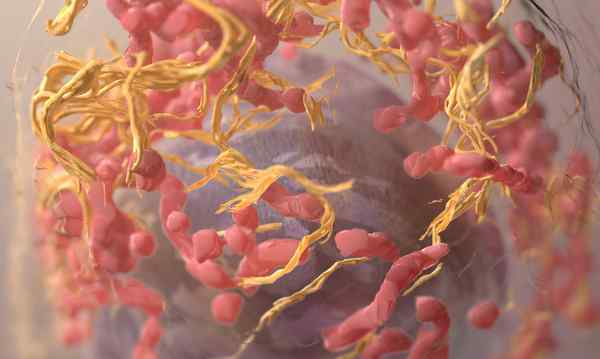
- Squishy Nuclei: The study found that when cholesterol levels in the nuclear envelope (the membrane surrounding the nucleus) are high, the nucleus becomes significantly easier to deform, or “squishier.” This physical change is crucial because cancer cells must squeeze through tight gaps between other cells to spread.
- Fragile Envelopes: High cholesterol also makes the nuclear envelope more fragile and prone to small tears. These tears can damage the DNA inside, potentially leading to new mutations that make the cancer even more aggressive.
- The Role of LBR: In many melanoma samples, cells produced too much of the LBR protein. When LBR levels were high, cholesterol in the nuclear envelope rose, making the nucleus both squishy and fragile. Experimentally reducing LBR levels reversed this effect, making the nuclear envelope tougher.
Validation in Mice and Humans:
- In mice, tumours from cells with normal LBR showed more ruptured nuclear envelopes than those from cells where LBR was silenced.
- Analysis of patient data (TCGA-SKCM dataset) showed that melanoma patients with higher LBR expression in their tumours tended to have worse outcomes.
Challenge
The key challenge is finding a way to stop cancer cells from becoming more invasive and aggressive. This study highlights a specific biological pathway, the overproduction of LBR leading to high nuclear cholesterol, which directly contributes to metastasis. The challenge for researchers is to develop treatments that can safely and effectively disrupt this process in patients.
Way Forward
- Targeting LBR: The study suggests that the LBR protein could be a valuable “drug target.” Developing therapies that inhibit LBR’s cholesterol-making function could potentially slow or prevent the spread of melanoma and other cancers, such as breast and prostate cancer.
- Repurposing Statins: The findings help explain why people with melanoma who take statins (cholesterol-lowering drugs) tend to show slower cancer progression. This suggests that statins, or more targeted cholesterol-lowering strategies, could be explored further as a part of cancer treatment.
- Early Detection: LBR expression could potentially serve as a “prognostic indicator” to identify early-stage melanomas that are at high risk of becoming metastatic, allowing for more aggressive treatment sooner.
Conclusion
This research reveals a surprising physical mechanism of cancer spread: cholesterol makes the nucleus of a cancer cell squishy enough to invade other tissues. By identifying the LBR protein as the master regulator of this process, the study provides a compelling new target for drug development. It also validates the long-observed link between statin use and improved cancer outcomes. Perhaps most importantly, the discovery is a powerful example of how curiosity-driven, basic scientific research into questions like “how do fungi make sterols?” can, decades later, lead to critical insights for fighting deadly human diseases like melanoma.