Toothless Ban: Single-Use Plastic Rules Violated at 84% Sites
Why in the News?
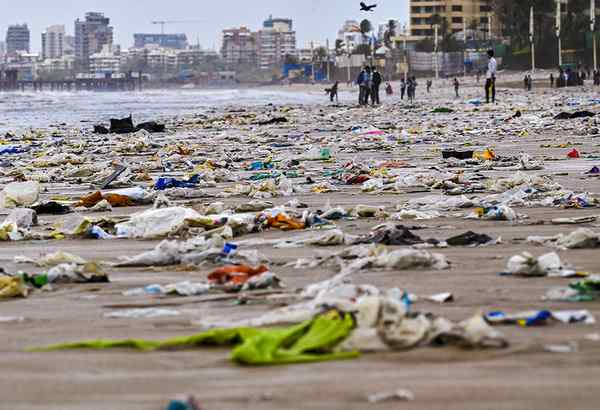
A recent field study by Toxics Link has revealed that the nationwide ban on single-use plastics (SUP), implemented three years ago, is largely ineffective. The survey found that 84% of 560 locations across four major cities (Bhubaneswar, Delhi, Mumbai, and Guwahati) are still using the banned items, highlighting a massive failure in enforcement.
Background
In 2022, the Indian government imposed a ban on identified single-use plastic items—such as thin carry bags, cutlery, cups, plates, and straws—to combat environmental pollution. However, the recent study conducted between April and August 2025 surveyed a wide range of establishments, including street vendors, markets, railway platforms, and religious sites, to assess ground-level compliance. The findings show that Bhubaneswar had the highest usage (89%), followed by Delhi (86%), Mumbai (85%), and Guwahati (76%).
Challenge
The study identified several key challenges undermining the ban:
- Inconsistent Enforcement: There is a significant gap between policy and implementation, with regulatory monitoring being irregular.
- Customer Demand: Vendors reported high customer demand for plastic bags (91%) and a perception that disposable plastic is more hygienic than reusable alternatives.
- Economic Factors: Small vendors and informal markets struggle with the higher cost of alternatives (paper, cloth, or thicker reusable plastics) compared to cheap, banned single-use items.
- Supply Chain: The continued availability of these items suggests that the supply side has not been effectively controlled.
Way Forward
- Stronger Enforcement: Implementing robust monitoring mechanisms, regular inspections, and consistent penalties for violations.
- Coordinated Action: Ensuring collaboration between regulatory agencies to control the supply chain of banned plastics.
- Addressing Perception: Educating consumers to change the perception that plastic is more hygienic than reusable or alternative materials.
- Economic Support: Finding ways to make alternatives more affordable for small vendors to reduce reliance on banned plastics.
Conclusion
The Toxics Link report concludes that the ban on single-use plastics is currently a “toothless” measure due to poor enforcement and persistent customer demand. Without immediate nationwide action to strengthen implementation and control the supply of these items, the ban will fail to achieve its primary goal of reducing plastic littering and environmental pollution.