Global energy concerns mount as Iran hits ships
Why in the News?
The article is news due to a significant and dangerous escalation of the conflict involving Iran. Key events pushing this into the headlines include:
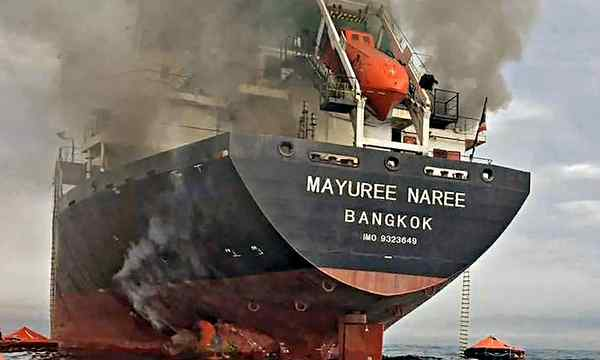
- Direct Attacks on Civilian Infrastructure: Iran attacked a commercial ship (the Mayuree Naree) in the Strait of Hormuz and launched drones near Dubai International Airport.
- Expanding Geographic Scope: The conflict is no longer isolated but now directly involves vital international shipping lanes, the UAE, and sees retaliatory strikes on Iran.
- Global Energy Security: With Iran effectively disrupting traffic in the Strait of Hormuz (through which 20% of global oil passes), there is a direct threat to global oil supplies, causing price volatility.
- International Response: The International Energy Agency’s (IEA) unprecedented move to release 400 million barrels of oil reserves highlights the severity of the perceived energy risk.
Background
The current crisis is the latest phase in a long-standing shadow war between Iran and its allies (like Hezbollah) on one side, and Israel and the United States on the other. The immediate trigger mentioned in the article is “intense American airstrikes targeting Iranian Navy assets and the port city of Bandar Abbas.” In response, Iran has escalated its strategy of “squeezing the oil-rich region” by targeting commercial shipping and Gulf Arab nations’ infrastructure. This tactic aims to inflict global economic pain to force the U.S. and Israel to cease their strikes. The conflict has also opened a front in Lebanon, with Israel striking Hezbollah targets.
Features
- Attack on Indian-Bound Vessel: The Thai cargo ship Mayuree Naree, en route to Kandla (Gujarat), was hit in the Strait of Hormuz. Three crew members are missing, and 20 were rescued. The Indian government officially “deplored” the targeting of commercial shipping.
- Targeting of Civilian and Economic Hubs:
- Dubai: Two Iranian drones struck near Dubai International Airport, wounding four people.
- Saudi Arabia & Kuwait: Intercepted drones and missiles targeting oil fields and military bases.
- Threat to Finance: Iran explicitly threatened to target financial institutions across West Asia, putting hubs like Dubai, Saudi Arabia, and Bahrain at risk.
- Oil Market Shock: Despite prices being below Monday’s peaks, they remain 20% higher than before the conflict began. The IEA’s 400-million-barrel reserve release is the largest in history.
- Wider Conflict: Israel renewed airstrikes on Tehran and Hezbollah targets in Lebanon, causing fires and injuries in Beirut.
Challenges
- Ensuring Safety of Indian Citizens and Assets: India has a massive stake in the region, from its citizens working there to its oil imports and trade routes. The attack on an India-bound ship and the threat to financial hubs pose a direct challenge to New Delhi’s diplomatic and protective capabilities.
- Protecting Global Energy Supplies: The Strait of Hormuz is a critical chokepoint. Iran’s effective blockade and the potential mining of the strait pose a challenge that could cripple the global economy. Clearing mines, if laid, could take weeks.
- Preventing a Wider Regional War: The conflict is rapidly expanding beyond a bilateral issue. With the UAE, Saudi Arabia, and Kuwait now under direct or indirect attack, there is a significant challenge in preventing the entire West Asian region from being engulfed in war.
- Humanitarian Cost: The attacks on commercial ships endanger the “precious lives” of innocent civilian sailors from multiple nations, including India.
Way Forward
- De-escalation and Diplomacy: The immediate need is for international pressure on all parties to de-escalate. The Indian government’s statement, deploring the targeting of commercial shipping and calling for an end to endangering civilians, is a crucial part of this diplomatic chorus.
- Securing Shipping Lanes: The international community, likely through naval coalitions, must work to ensure the safety of navigation in the Strait of Hormuz and the Persian Gulf. India, given its interests, may need to enhance its maritime surveillance and coordination in the region.
- Managing Economic Fallout: Coordinated action like the IEA’s reserve release is vital to stabilise markets. Nations must also explore diversifying energy sources in the short term to mitigate supply shocks.
- Protecting Nationals: Countries with significant diaspora in the Gulf, like India, must remain on high alert, issuing advisories and preparing contingency plans for their citizens.
Conclusion
The events described mark a perilous escalation where the conflict has moved from targeted military exchanges to directly attacking global commerce and civilian infrastructure. By hitting a ship in the Strait of Hormuz and threatening financial centres like Dubai, Iran has globalised the crisis. The international community now faces the urgent task of containing the conflict to prevent a full-scale regional war that would devastate the global economy, disrupt energy supplies, and endanger countless lives. India’s direct stake in this conflict is now undeniable, necessitating a proactive and robust diplomatic and protective response.