Is India prepared for the end of globalisation?
Why in the News?
Recently, Donald Trump linking tariffs with India’s geopolitical and trade behaviour – including comments on Russian oil imports -signals a shift from rules-based multilateral trade toward hard-bargaining bilateralism and economic nationalism. Analysts increasingly argue that the post-Cold War model of liberal globalisation is weakening and a mercantilist order is emerging. This raises a critical policy question: Is India prepared for a world where globalisation no longer guarantees open markets and cooperative institutions?

Background: What Was Globalisation?
Globalisation was not merely about free trade, it was a political–economic order built on:
- Multilateral institutions such as the World Trade Organisation
- Norms of open markets and contract enforcement
- Free flow of capital (though not labour)
- Global supply chains
- Rules-based dispute resolution
- Legitimacy rooted in liberal democracy and cooperation
Historical Phases
- Colonial globalisation -coercive, extractive, unequal
- Post–World War II order – institutional, rules-based
- Post–Cold War globalisation – liberalised trade + financial integration
This system helped reduce poverty and expand markets – but also created deep structural imbalances.
Features
Shift from Multilateralism to Mercantilism
- Trade is increasingly seen as a tool of state power
- Surpluses = strength; deficits = vulnerability
- Bilateral deals replace multilateral rules
- Sanctions and tariffs as negotiation tools
Strategic Trade and Industrial Policy
- Countries promoting domestic manufacturing
- Supply chain reshoring / friend-shoring
- Technology controls and export restrictions
Sovereignty Over Liberal Norms
- Migration restrictions
- Strategic capital controls
- Security-first trade policies
Unintended Consequences of Globalisation
Inequality and Wage Stagnation
- Returns to capital outpaced wage growth
- Manufacturing shifted geographically
- Regional job losses in advanced economies
- Rise of populist politics
Rise of China as a System Challenger
- China integrated into global markets without fully liberalising politically.
- Maintained state control over capital and information
- Built massive trade surpluses and industrial capacity
- Created an alternative development model
- Constrained industrialisation space for countries like India
India’s Position in a Post-Globalisation World
India faces a paradox:
- Too large to ignore, too underdeveloped to dominate
Structural Constraints
- Incomplete demographic dividend conversion
- Low manufacturing share in GDP
- Skewed income distribution
- Weak human capital base
- Uneven state capacity
- Informal labour dominance
Missed Opportunities (Last 15 Years)
- Limited public investment in health and education
- Manufacturing push not broad-based
- Labour-intensive sectors underdeveloped
- Social sector spending remains inadequate relative to need
Features
Digital Public Infrastructure (DPI)
- Aadhaar, UPI, DigiLocker stack
- Low-cost, scalable governance platforms
- Exportable governance model
Services Sector Strength
- IT and knowledge services
- Remote work economy
- Global capability centres
Renewable Energy Potential
- Solar and green hydrogen push
- Large domestic market
- Policy momentum
Democratic Decentralisation
- Panchayati Raj and local governance
- Potential for bottom-up development if strengthened
- Challenges for India in the End of Globalisation Scenario
Economic Challenges
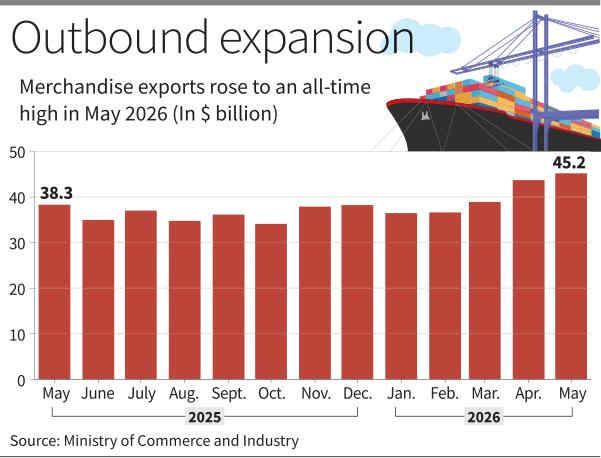
- Export-led growth becomes harder
- Supply chain fragmentation
- Tariff barriers and geo-economic blocs
- Technology restrictions
Institutional Challenges
- Low administrative capacity
- Regulatory unpredictability
- Contract enforcement delays
- Weak local government capacity
Social Challenges
- Youth unemployment
- Skills mismatch
- Inequality-driven instability
- Weak social safety nets
Geopolitical Challenges
- Reduced multilateral negotiation platforms
- Climate finance uncertainty
- Conditional development aid
- Hard-power trade diplomacy
Way Forward: How India Should Prepare
Build State Capacity
- Civil service and regulatory reform
- Faster judicial and contract enforcement
- Data-driven governance
- Professionalised economic administration
Invest in Human Capital
- Universal quality school education
- Public health expansion
- Skill-linked vocational training
- Nutrition and early childhood investment
Strategic Industrial Policy
- Focus on 4–5 priority sectors:
- Electronics
- Clean energy
- Defence manufacturing
- Semiconductors (selectively)
- Agro-processing
- Link PLI-type incentives to productivity and exports.
Domestic Demand Strengthening
- Raise mass purchasing power
- Rural income growth
- Urban employment programs
- MSME competitiveness
Trade Strategy Reset
- More bilateral trade agreements
- Regional value chain integration
- South–South partnerships
- Targeted export clusters
Social Cohesion and Social Contract
- Reduce inequality
- Expand social protection
- Cooperative federalism
- Trust-based governance
Conclusion
The liberal, rules-based era of globalisation is under strain, replaced by a more transactional and mercantilist order. For India, this is both a risk and an opportunity. Without stronger state capacity, human capital investment, and inclusive growth, India risks long-term marginalisation.