Number of polluted river sites is showing a slight reduction: CPCB
Why in the News?
The Central Pollution Control Board (CPCB) released its 2023 assessment of Indian rivers, showing a slight reduction in the number of polluted river locations and a decrease in “most polluted” stretches.

Background
- River Pollution in India:
India’s rivers have been facing industrial, domestic, and agricultural pollution for decades. Common pollutants include untreated sewage, chemical effluents, fertilisers, and plastic waste. - CPCB Monitoring:
- Monitors river water quality in two-year phases.
- Uses Biological Oxygen Demand (BOD) as the key parameter:
- BOD > 3 mg/L → unfit for bathing.
- BOD > 30 mg/L → “Priority 1” (most polluted).
- Two continuous locations exceeding BOD limits in a river count as a Polluted River Stretch (PRS).
Feature
- Key Findings (2023 vs. 2022):
- Total locations unfit for bathing: 807 (2023) vs. 815 (2022).
- PRS: 296 locations in 271 rivers (down from 311 locations in 279 rivers).
- Most polluted “Priority 1” stretches reduced from 45 to 37.
- State-wise Highlights:
- Maharashtra: highest PRS locations (54).
- Kerala: 31 PRS locations; Madhya Pradesh & Manipur: 18 each.
- Tamil Nadu, UP, Uttarakhand: five “Priority 1” stretches each.
- Monitoring Network: CPCB monitors 4,736 water bodies across India (rivers, lakes, drains, canals, creeks).
Challenges
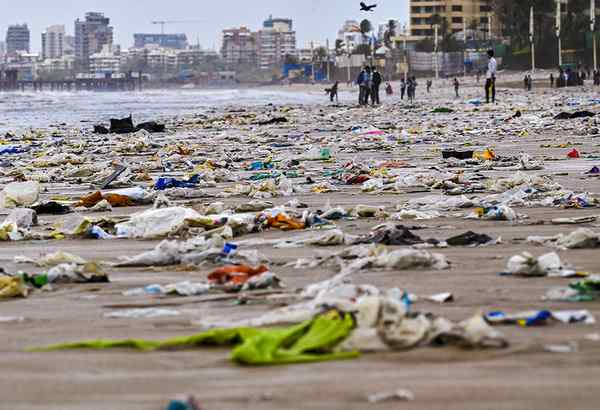
- Urban & Industrial Sewage: Rapid urbanisation and untreated industrial effluents continue to pollute rivers.
- Agricultural Runoff: Pesticides and fertilisers elevate BOD and nutrient loads, causing eutrophication.
- State Disparities: Some states (Maharashtra, UP, TN) continue to have multiple Priority 1 stretches.
- Implementation Gap: Despite programs like Namami Gange and Clean Rivers Mission, pollution persists due to inadequate sewage treatment infrastructure.
- Data Gaps: CPCB monitoring covers 4,736 locations, but many smaller rivers remain unmonitored.
Way Forward
- Strengthen Sewage & Effluent Treatment: Ensure STPs and ETPs are functional and upgraded.
- Integrated River Basin Management: Holistic planning addressing industrial, domestic, and agricultural sources of pollution.
- State Accountability: Priority 1 stretches need urgent remediation plans, with state-level enforcement.
- Public Awareness & Citizen Science: Engage local communities in river cleaning and monitoring.
- Technology & Innovation: Use AI, IoT sensors, and remote sensing for real-time monitoring of water quality.
- Policy Integration: Tie river health with economic planning, urban development, and water conservation schemes.
Conclusion
While the slight reduction in polluted river stretches and Priority 1 locations is encouraging, India’s rivers remain under severe stress. Sustained policy, technological, and community-based interventions are essential to restore river health and meet the goals of programs like Namami Gange.
PRELIMS PRACTICE QUESTION
Q. Consider the following statements regarding the CPCB 2023 river pollution report:
1. Total locations in Indian rivers unfit for bathing decreased from 815 in 2022 to 807 in 2023.
2. Biological Oxygen Demand (BOD) greater than 3 mg/L indicates a river is unfit for bathing.
3. Polluted River Stretches (PRS) are defined as two or more continuous locations in a river exceeding BOD limits.
Which of the statements given above is/are correct?