Legacy of Chola Dynasty Provides Road Map for Modern India
Why in the News?
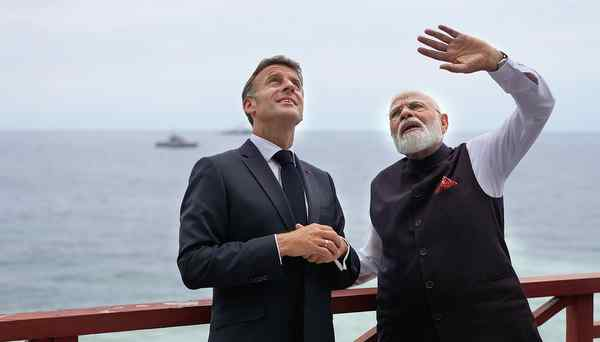
On July 28, 2025, Prime Minister Narendra Modi, while participating in the Aadi Thiruvathirai festival at Gangaikonda Cholapuram in Tamil Nadu, paid rich tributes to Rajaraja Chola and Rajendra Chola I. He:
- Released a commemorative coin in honour of Rajendra Chola I.
- Announced the installation of grand statues of both emperors in Tamil Nadu.
- Highlighted their contributions to naval power, administration, democracy, and culture.
- Drew parallels between Chola-era governance and India’s modern-day developmental and strategic goals.
- Connected the Cholas’ legacy to contemporary national efforts, including Operation Sindoor, cultural diplomacy, and water management.

Background
The Chola dynasty (c. 9th to 13th century CE) was one of the longest-ruling dynasties in southern India. Prominent rulers like:
- Rajaraja Chola I (985–1014 CE) consolidated the empire and built the Brihadisvara Temple in Thanjavur.
- Rajendra Chola I (1014–1044 CE) expanded the empire’s reach to the Gangetic plains and even launched. The Cholas were pioneers in naval expeditions to Southeast Asia.
- Military expansion via a formidable navy.
- Temple architecture (e.g., Brihadisvara Temple at Gangaikonda Cholapuram).
- Local self-governance, introducing the Kudavolai system (a proto-democratic electoral method).
- Water management, including the creation of large tanks and canals.
- Maritime trade and diplomacy, especially with Sri Lanka, the Maldives, and Southeast Asia.
Features
Cultural Renaissance and National Pride
- PM Modi emphasised that the Chola legacy shapes India’s civilizational identity, cultural continuity, and national pride.
- Grand statues and commemorative coins are intended to instil historical consciousness.
Democratic and Decentralised Governance
- The Kudavolai system of local self-rule reflects grassroots democracy.
- Modern parallels: Panchayati Raj system and participatory governance.
Strategic and Military Prowess
- The Chola navy’s strength projected power beyond the Indian subcontinent.
- Modi linked this to India’s current defence posture, including Operation Sindoor, symbolising sovereignty and firm responses to threats.
Water Management and Ecological Wisdom
- Chola-era tanks, lakes, and irrigation structures highlight early eco-conscious infrastructure.
- Echoes current concerns over climate resilience, water scarcity, and sustainable development.
Soft Power and Cultural Diplomacy
- Trade and temple diplomacy with Southeast Asia created a sphere of Indian cultural influence.
- Modern parallels: Kashi Tamil Sangamam, Saurashtra Tamil Sangamam, and repatriation of artefacts.
- Since 2014, 600 stolen artefacts have been retrieved, 36 from Tamil Nadu.
Challenges
Cultural Symbolism vs. Policy Depth
- Celebrating the past must be matched with policy-level investment in preserving and promoting heritage.
- Risk of political appropriation or selective historicism.
Heritage Preservation
- Many ancient temples and inscriptions remain neglected or poorly maintained.
- Lack of digitisation, documentation, and a skilled conservation workforce.
Public Awareness and Access
- Disconnect between academic knowledge and the public understanding of dynasties like the Cholas.
- Heritage is often localised and not part of national discourse.
Integration with Development
- Need to integrate historical legacies into modern urban planning, water conservation, education, and diplomacy.
Way Forward
Educational Integration
- Incorporate Chola achievements in school and university syllabi to develop cultural literacy.
Strengthen Cultural Institutions
- Empower ASI, museums, and local bodies to maintain and restore ancient monuments.
- Encourage digital documentation and interactive tourism.
Heritage-Based Diplomacy
- Use ancient Indian maritime and trade links as soft power tools in ASEAN and Indian Ocean diplomacy.
Democratic Decentralisation
- Revive interest in ancient local governance systems like Kudavolai to strengthen grassroots democracy and public accountability.
Sustainable Infrastructure
- Emulate Chola-era water architecture in today’s Jal Jeevan Mission, urban water bodies, and flood control systems.
Balance Commemoration with Execution
- National pride should go hand-in-hand with cultural inclusivity, historical accuracy, and local community participation.
FAQ: Legacy of the Chola Dynasty
Q. Who were the key rulers of the Chola dynasty?
- Rajaraja Chola I (985–1014 CE): Consolidated the empire and built the Brihadisvara Temple at Thanjavur.
- Rajendra Chola I (1014–1044 CE): Expanded the empire across Southeast Asia and the Gangetic plains; founded Gangaikonda Cholapuram.
Q. What is the Kudavolai system?
The Kudavolai system was a democratic village-level election process used during the Chola period. Names of eligible candidates were written on palm leaves and drawn from a pot (kudam). It reflected:
- Eligibility norms (age, literacy, integrity)
- Transparency and rotation of power
This system is regarded as a proto-democratic institution and a precursor to modern participatory governance.
Q. What parallels did PM Modi draw with Operation Sindoor?
PM Modi connected:
- Chola military readiness, especially naval expansion
- India’s modern defence posture during Operation Sindoor, which highlighted:
- Sovereignty assertion
- Decisive security response
Q. Can Chola water management practices be useful today?
Yes, the Chola-era systems serve as blueprints for:
- Rainwater harvesting
- Decentralised water storage
- Eco-friendly urban planning
These practices can support climate-resilient infrastructure in flood-prone or water-scarce regions.
MAINS PRACTICE QUESTION
Question: “The legacy of the Chola dynasty goes beyond cultural grandeur to offer administrative and strategic lessons for contemporary India.” Examine in the context of Prime Minister Modi’s remarks at Gangaikonda Cholapuram.