Trump Clears Bill to Impose Up to 500% Tariffs on Buyers of Russian Oil
Why in the News?
The U.S. President, Donald Trump, has “greenlit” or backed a bipartisan Russia Sanctions Bill (Sanctioning Russia Act of 2025) that – if passed by Congress, could authorise tariffs of up to 500% on countries that continue to import Russian oil, uranium, gas, or related exports. This development has raised significant concern in New Delhi because India remains one of the world’s largest buyers of Russian crude, a source crucial for its energy security.

Background
The Sanctioning Russia Act of 2025
- A bipartisan bill introduced in the 119th U.S. Congress by Senators Lindsey Graham (R-SC) and Richard Blumenthal (D-CT).
- It aims to impose sanctions on Russia and on countries trading with Moscow, especially those that buy Russian energy products such as oil and uranium.
Rising U.S.–India Trade Tensions
- In 2025, the Trump administration first imposed a 25% tariff on Indian exports, later doubled to 50% as a penalty for India’s Russian oil purchases.
- The new sanctions framework could push tariffs even higher, targeting countries that knowingly purchase Russian energy.
India’s Energy Strategy
- India has relied on discounted Russian crude to fuel its energy needs, balancing affordability with national energy security.
- This has repeatedly put New Delhi at odds with Washington’s strategy of economically isolating Russia over the Ukraine conflict.
Features
- 500% Tariff Authority: The bill would grant the U.S. President discretion to impose tariffs up to 500% on imports from nations that purchase Russian oil or related exports.
- This is intended as a “sledgehammer” sanction to deter continued purchases from Russia.
- It would go significantly beyond existing tariffs.
Target Countries:
- Primary targets would include India, China, and Brazil—major buyers of Russian crude.
- India faces the most immediate risk due to its strategic energy imports.
Trade and Diplomatic Pressure:
- The Greenlighting follows persistent U.S. pressure on India to reduce or eliminate Russian oil imports.
- The U.S. Ambassador-designate to India has already signalled this issue as a ‘top priority’.
Industry Reaction:
- Some Indian oil and industry leaders view the move as a geopolitical pressure tactic rather than a certain outcome.
Challenges
Economic Impact on India
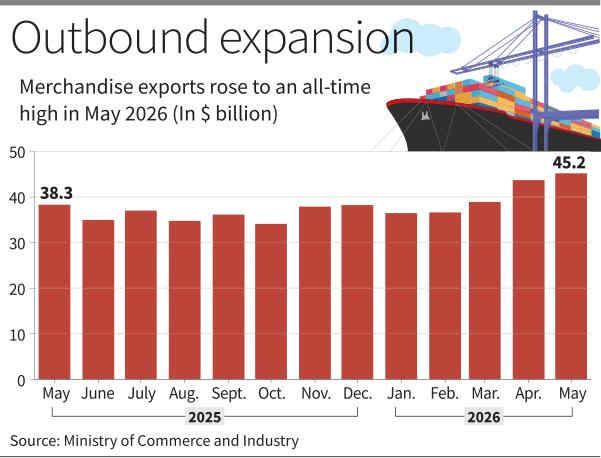
- Tariff shock: A 500% tariff would make Indian goods prohibitively expensive in the U.S. market, potentially collapsing trade — especially in services and exports — with the U.S., one of India’s largest export destinations.
- Investment deterrence: Escalating trade tensions could stall U.S. firms’ investment decisions in India.
Diplomatic Strain
- The move could deepen the 2025–26 U.S.–India diplomatic and trade crisis, exacerbating mistrust and complicating strategic cooperation on defence, tech, and regional security.
Global Energy and Geopolitical Balance
- India’s reliance on Russian oil is tied to global price volatility and supply considerations – an abrupt pivot could strain domestic energy markets and fiscal stability.
Way Forward
Strategic Diplomacy
- India could leverage multilateral forums (G20, BRICS, Quad) to articulate its energy security concerns and seek balanced approaches to sanctions.
Diversify Energy Sources
- Accelerate import diversification from the Middle East, Africa, and renewable energy to reduce dependence on Russian crude.
Trade Negotiations
- Engage in high-level economic diplomacy with the U.S. to discuss mutual interests and negotiate phased or calibrated tariff adjustments.
Strengthen Domestic Value Chains
- Deepen India’s export competitiveness in sectors less vulnerable to tariff barriers through policy support and innovation.
Conclusion
The U.S. move to support a bill that could slap up to 500% tariffs on countries importing Russian energy marks a dramatic escalation in trade-economic tools aimed at influencing global geopolitics, especially around the Russia–Ukraine war. For India, the development poses a complex policy challenge, balancing energy security, economic interests, and strategic diplomacy in the face of intensifying U.S. pressure.